
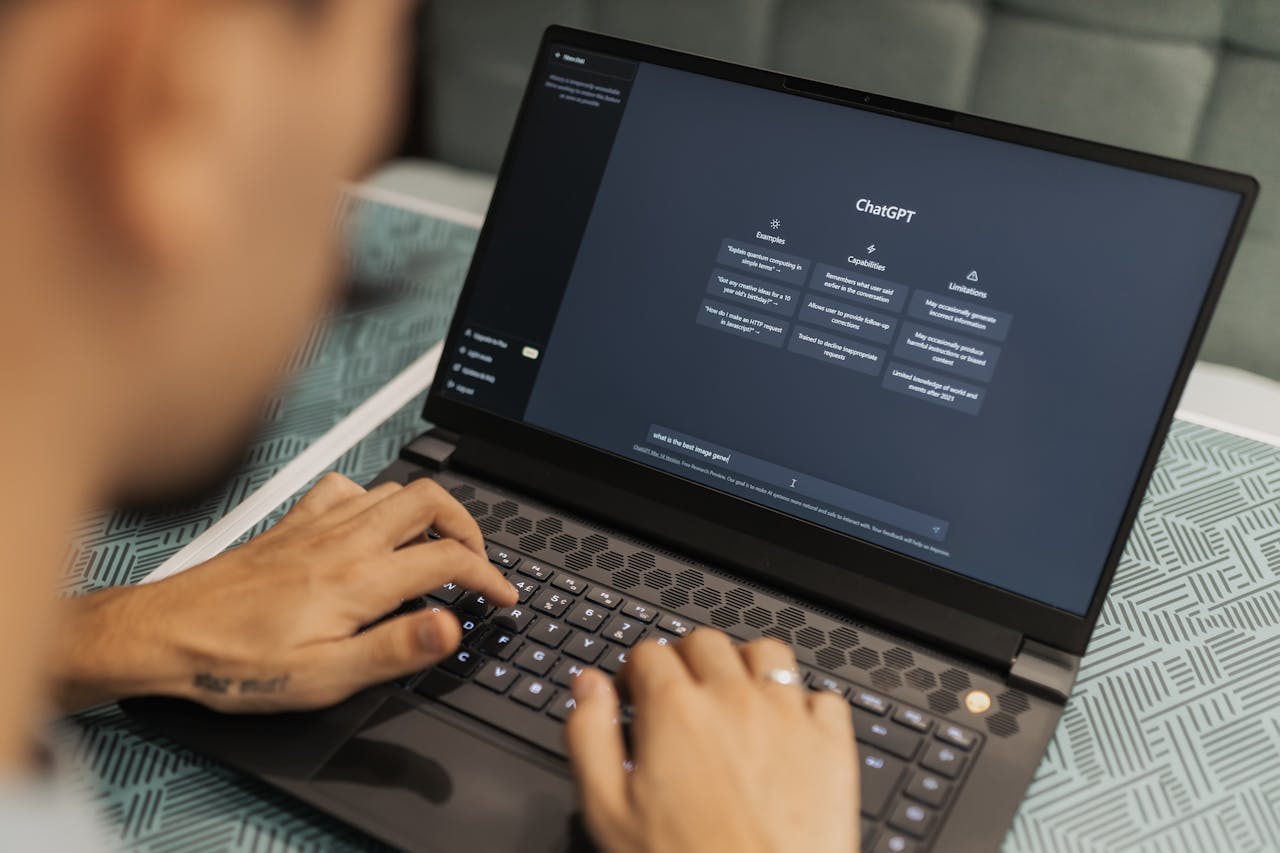
The landscape of digital publishing has undergone a seismic transformation in 2025, with artificial intelligence becoming the cornerstone of modern editorial workflows.
As we navigate this new era, editorial teams are discovering that AI isn’t just a trendy add-on—it’s an essential toolkit for maintaining competitive advantage and delivering high-quality content at scale.
The Current State of AI in Editorial Workflows
The statistics paint a clear picture of AI’s rapid adoption across the publishing industry. 87% of content marketers now use AI to help create content, marking a dramatic shift from traditional editorial processes.
This widespread adoption has delivered tangible results: companies using AI are publishing 42% more content each month compared to those relying solely on human-powered workflows.
The transformation is particularly evident in productivity metrics.
Editorial teams using AI tools have experienced a 40% increase in editing efficiency, while AI-powered workflow automation has boosted overall productivity by 65%.
These gains aren’t just about speed—they’re about enabling editorial teams to focus on high-value creative work while AI handles routine tasks.

AI tools are delivering significant productivity gains across all editorial workflow areas, with workflow automation leading at 65% efficiency improvement
Most Cited AI Tools Powering Editorial Teams
The AI tools landscape has consolidated around several key platforms that have proven their worth in real-world editorial environments.
ChatGPT leads the pack with 44% usage among editorial teams, followed by Grammarly at 35% and Jasper at 25%. These tools have become integral to daily workflows, with 65% of marketing professionals using AI writing tools daily.

ChatGPT leads as the most widely adopted AI tool among editorial teams, followed by Grammarly and Jasper.
The diversity of tools reflects the multi-faceted nature of modern editorial work. While ChatGPT dominates general content creation tasks, specialized tools like Surfer SEO (22% usage) and Notion AI (20% usage) have carved out specific niches in the editorial workflow. This ecosystem approach allows teams to select the best AI solution for each specific task rather than relying on a single platform.
Key Workflow Areas Transformed by AI
Content Creation and Ideation
AI has revolutionized the ideation process, with 76% of marketers using AI for brainstorming. Tools like ChatGPT and Claude help editorial teams generate topic ideas, create content outlines, and even draft initial versions of articles. The Washington Post’s Heliograf system has demonstrated this potential, enabling the publication to generate over 850 articles in its first year while freeing human journalists to focus on more complex reporting.
Editing and Quality Assurance
AI-powered editing tools have increased efficiency by 40%, with platforms like Grammarly and specialized editorial AI providing real-time grammar, style, and consistency checks. 97% of companies edit and review AI content, establishing a human-in-the-loop approach that maintains editorial quality while accelerating the editing process.
SEO and Content Optimization
52% of marketers report that AI helps optimize their content for SEO, with tools providing keyword suggestions, meta descriptions, and content structure recommendations. This has proven particularly valuable for digital publishers, who report 18% increases in web traffic when using AI-driven content optimization.
Research and Data Analysis
AI-assisted research has delivered 20% time savings by automating data collection, fact-checking, and trend analysis. Editorial teams can now process vast amounts of information quickly, enabling them to identify story opportunities and validate content accuracy more efficiently.
Implementation Best Practices
Establishing AI Governance
Leading publishers have recognized the need for structured AI implementation. Forbes assembled a seven-person committee to develop AI policies, while BuzzFeed created a “brain trust” of a dozen people to oversee AI initiatives.
These governance structures ensure ethical AI use while maximizing productivity benefits.
Training and Upskilling
44% of content teams identify upskilling as a major hurdle to effective AI implementation. Successful organizations invest in training programs that help editorial staff understand AI capabilities and limitations. The key is viewing AI as an assistant rather than a replacement, maintaining the human creativity and judgment that audiences value.
Quality Control Measures
Only 4% of respondents publish “pure” AI-generated content, emphasizing the importance of human oversight. 80% of organizations manually review AI content for accuracy, establishing quality control processes that maintain editorial standards while leveraging AI efficiency.
Measurable Impact on Editorial Performance
The implementation of AI tools has delivered concrete business results across the publishing industry. Companies using AI report 72% improved content performance, while AI-generated content saves businesses an average of 20% on operational costs annually.
Editorial teams using AI experience 59% faster content creation and 77% higher content output volumes, enabling marketing teams to focus on strategy rather than production.
This productivity boost has been particularly valuable for smaller publishers, with micro companies increasing their monthly article output from 10 to 12 articles through AI implementation.
The Future of AI in Editorial Workflows
As we progress through 2025, AI’s role in editorial workflows continues to evolve. 83% of companies claim AI is a top priority in their business plans, with 72% of publishers planning to increase their investment in AI technology over the next three years.
The most successful editorial teams are those that embrace AI as a collaborative tool rather than a replacement for human creativity. 87% of media executives report that generative AI has significantly transformed their newsrooms, but the transformation enhances rather than replaces human editorial judgment.
References
- Synthesia.io. “The 40 Best AI Tools in 2025 (Tried & Tested).” June 2025.
- Leyline Pro. “AI Content Creation Workflow: The Future of Scalable Content.” June 2025.
- Omniscien.com. “AI Agents Revolutionizing Automation and Innovation in 2025.” January 2025.
- Exploding Topics. “50 NEW Artificial Intelligence Statistics (July 2025).” June 2025.
- ATC.gr. “Data meets journalism: using AI to optimize editorial strategies.” January 2025.
- Classic Informatics. “AI Development Statistics & Industry Trends in 2025.” July 2025.
- Apollo Technical. “27 AI Productivity Statistics You Want to Know (2025).” July 2025.
- ZipDo. “Ai In The Content Industry Statistics: Reports 2025.” May 2025.
- Eminence.ch. “AI is Reshaping Content Marketing: Key 2025 Insights.” July 2025.
- AirOps. “The State of Content Teams in 2025.” April 2025.
- Cflow. “The Ultimate Guide to Editorial Workflows.” July 2025.
- Ahrefs. “Marketers Using AI Publish 42% More Content [+ New Research Report].” June 2025.
- WiFi Talents. “Ai In The Publishing Industry Statistics: Reports 2025.” June 2025.
- SEO Sandwitch. “AI Content Creation Statistics: Market Predictions for 2025.” January 2025.
- Gitnux. “AI In The Book Publishing Industry Statistics.” April 2025.
- Firewire Digital. “25 Key AI Writing Statistics For 2025.” May 2025.
